60 Great Queen Street has a long history of reconstruction, with multiple architects contributing to its design since its initial purchase in 1775. This article provides an overview of its rich legacy, tracing its evolution and development into the magnificent building it is known as today.
The Premier Grand Lodge, the first established Freemason group in London, purchased a house on Great Queen Street in 1774. Behind it was a second house with a garden. The front building became the Freemasons’ Tavern, while the rear building was converted into offices and meeting rooms. A design competition was then held to create a Grand Hall that would connect the two properties. The winning design was created by Thomas Sandby, a respected draughtsman, architect and watercolour artist.
After two years of hard labour, the building was opened on 23rd May 1776, the Freemasons appointing Sandby with the honorary title of ‘Grand Architect’.
An extension was added to the original building in 1820, by architect John Sloane. However, the addition was later demolished in 1860. Following this, the original building was renovated and extended with designs by Frederick Pepys Cockerell in 1862 which had been drawn up years earlier.
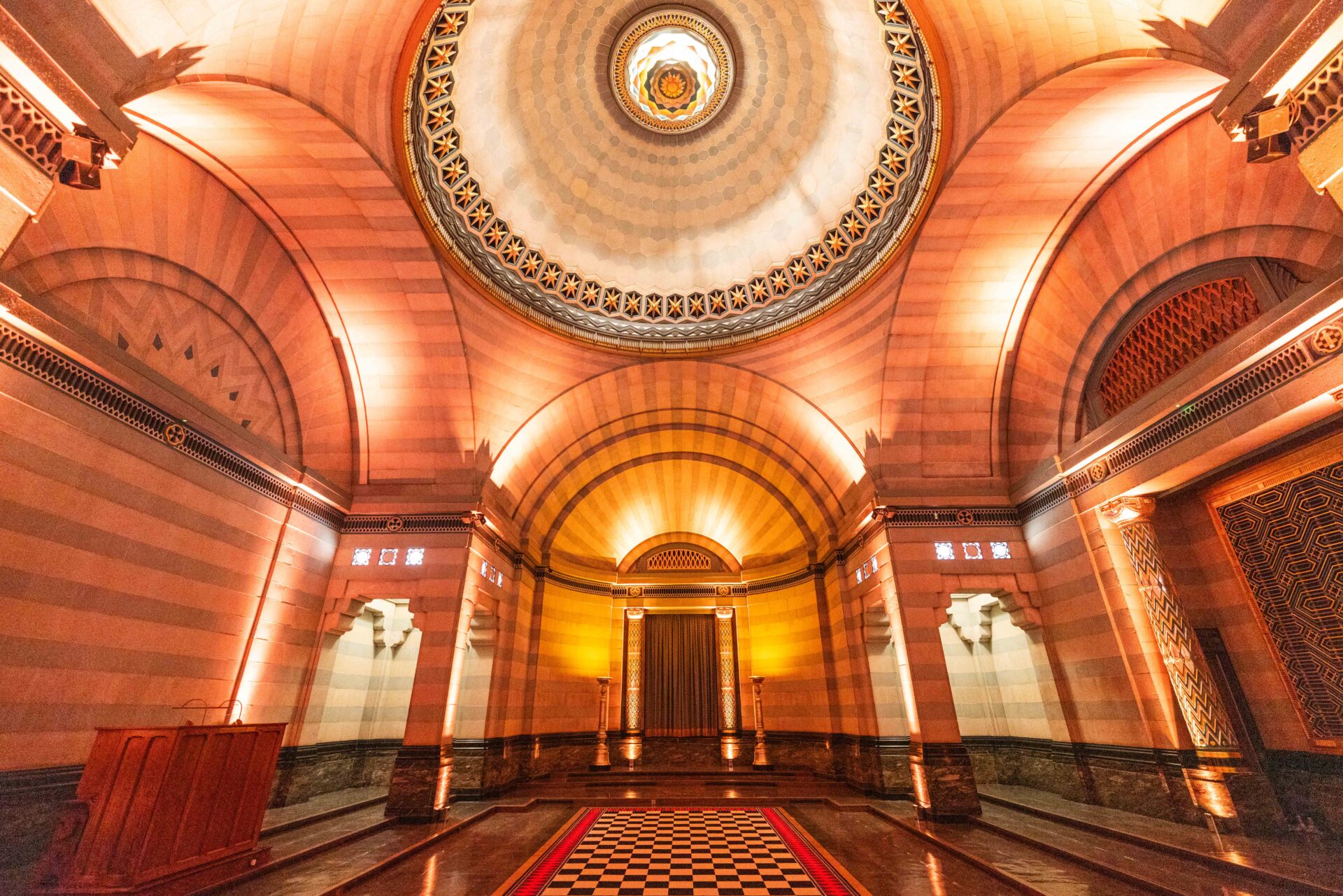
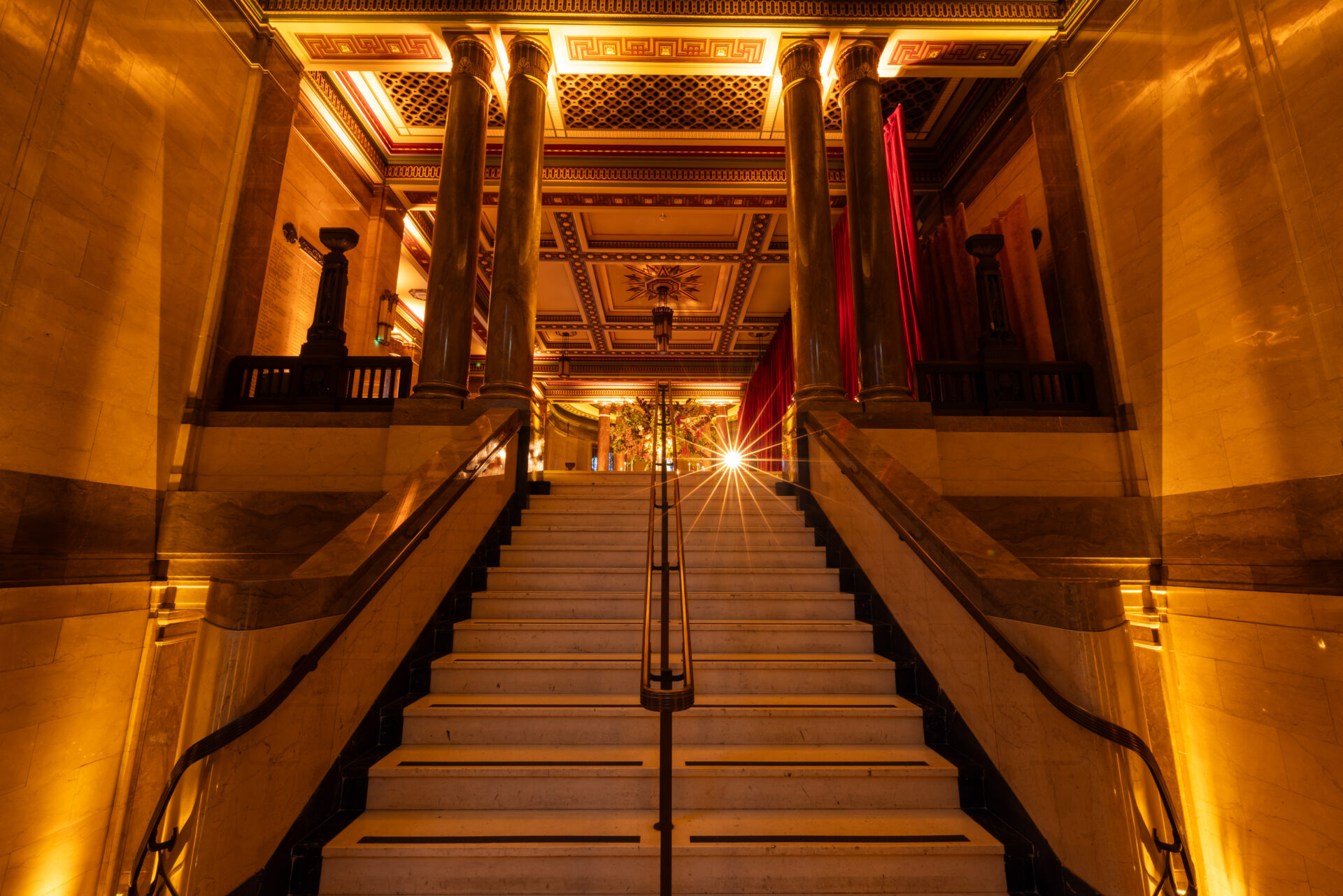
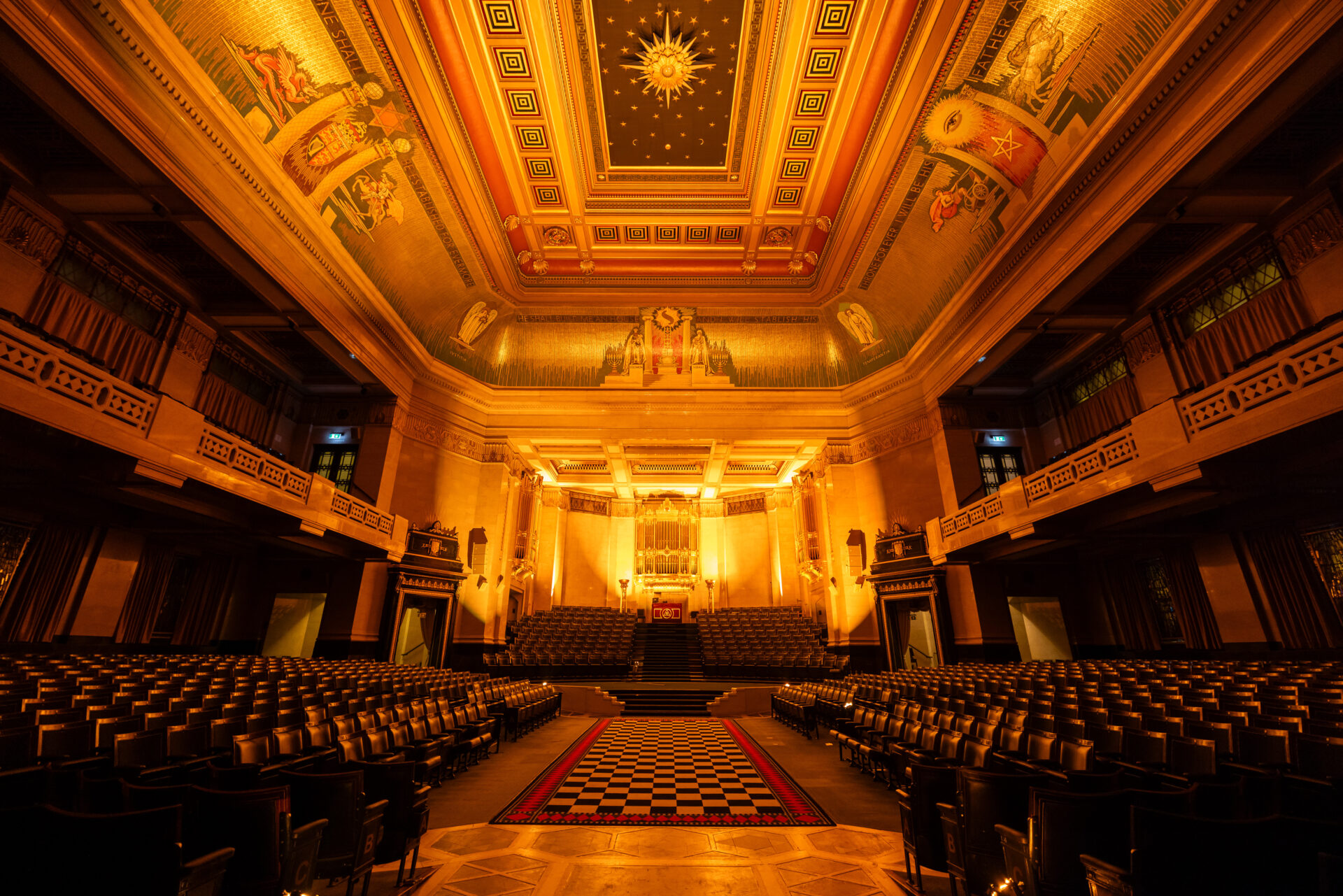
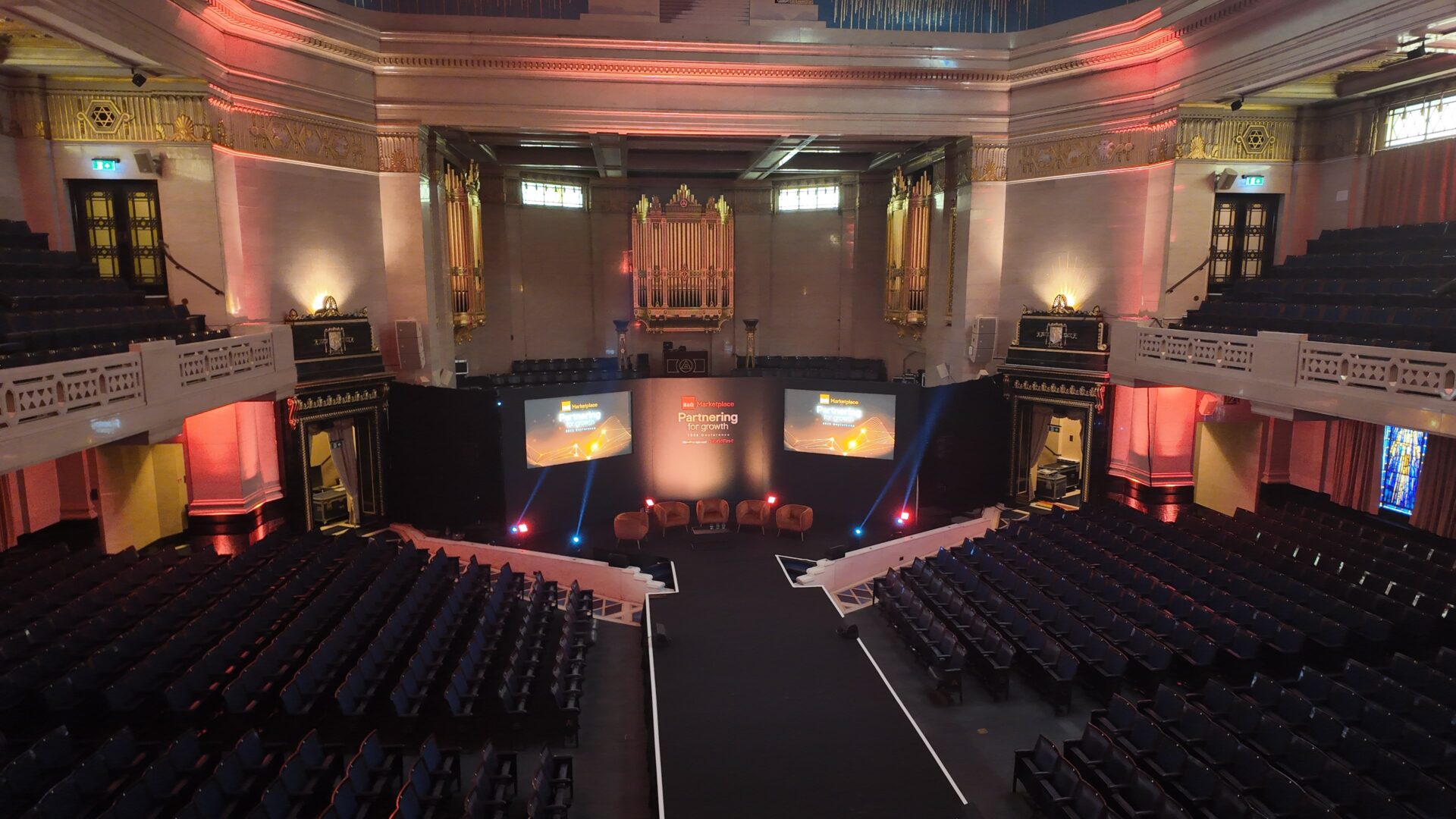
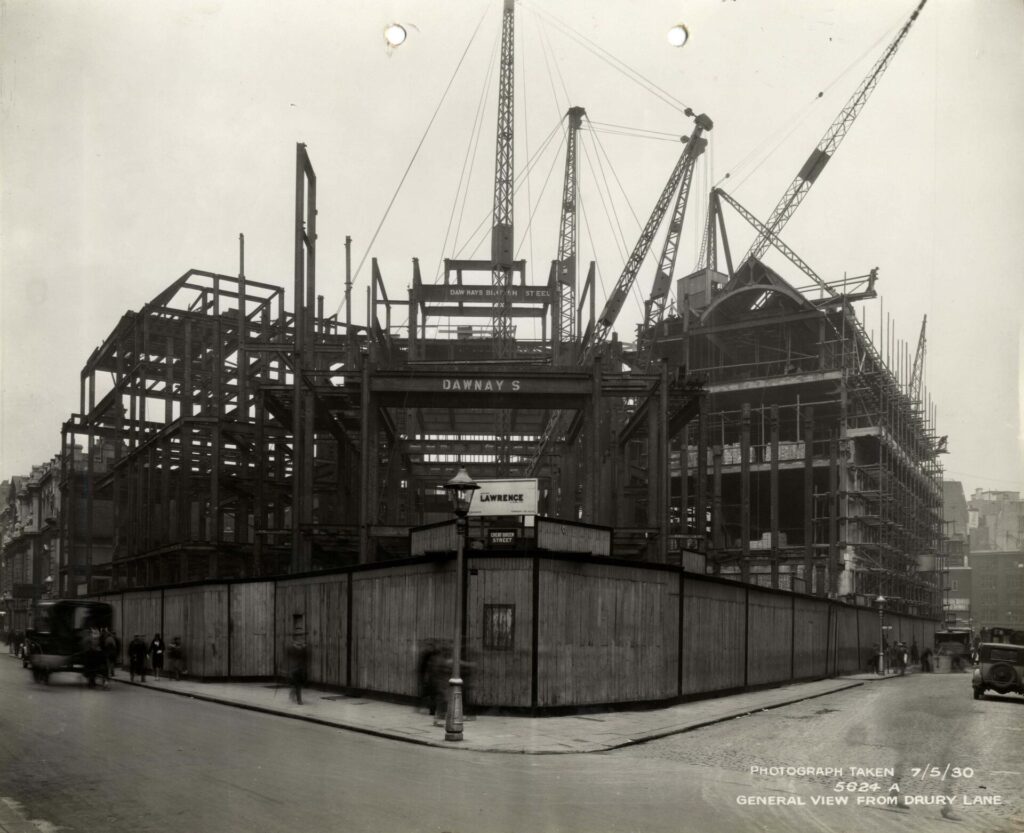
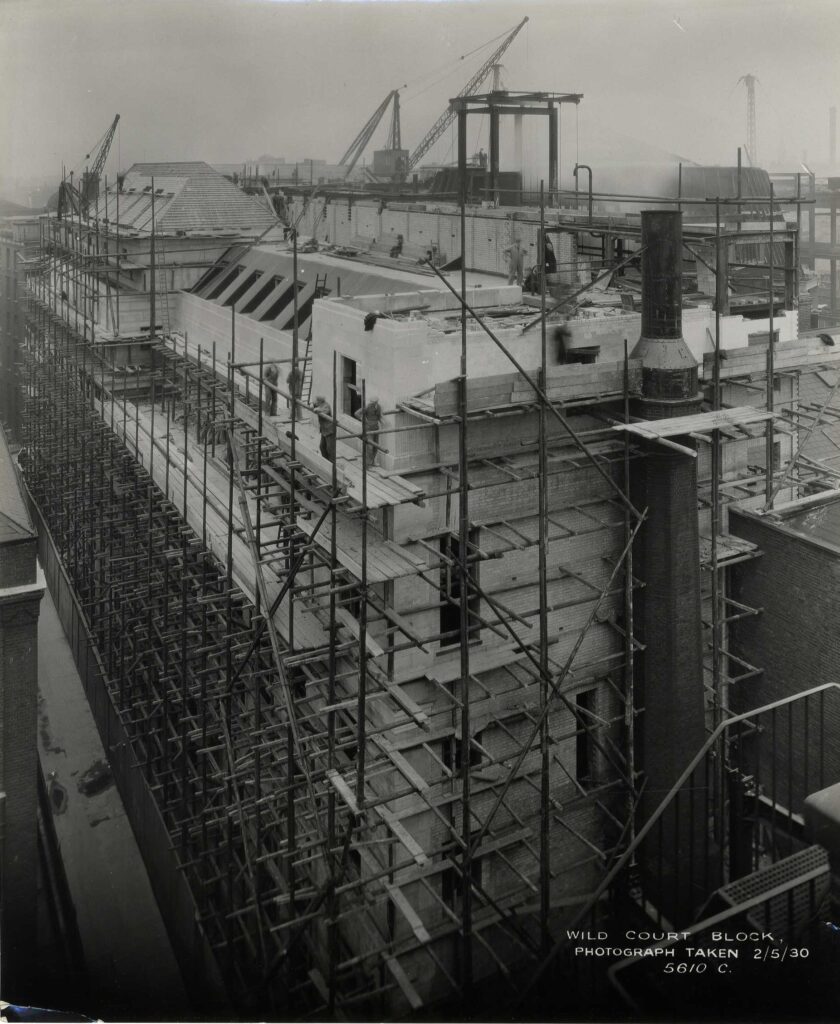
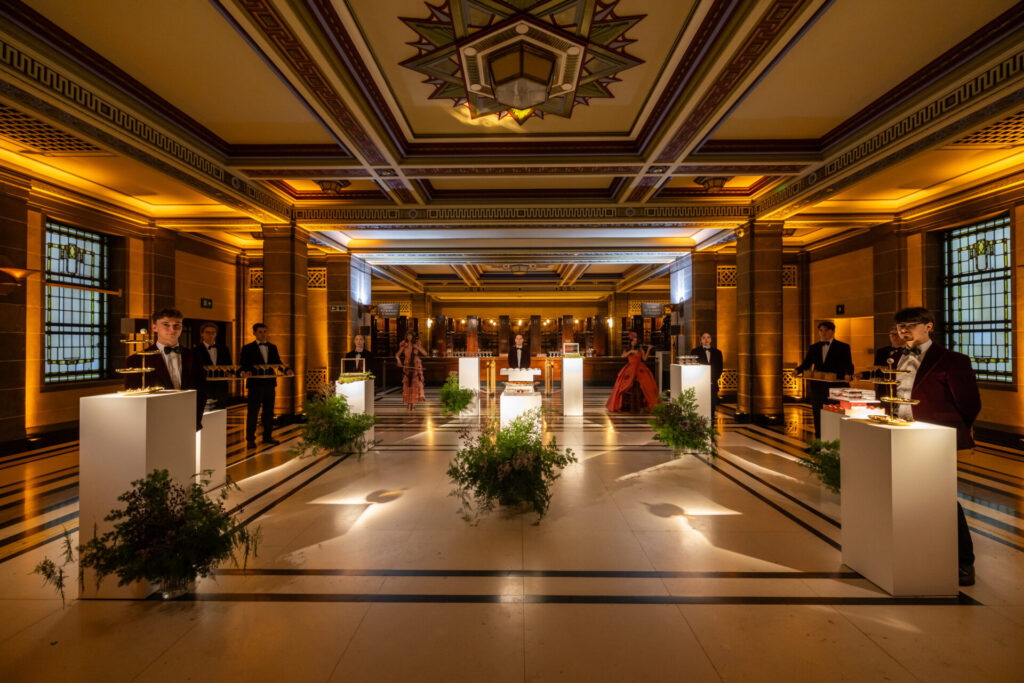
After being weakened by a fire in 1883, the building was partially demolished in 1910 and rebuilt between 1927–1933. The new building was constructed in the Art Deco style covering two and a quarter acres, with designs by architects Henry Victor Ashley and F. Winton Newman. Construction began at the west end with the tower before progressing eastwards, with the eventual demolition of the old hall – completing the build in 1933.
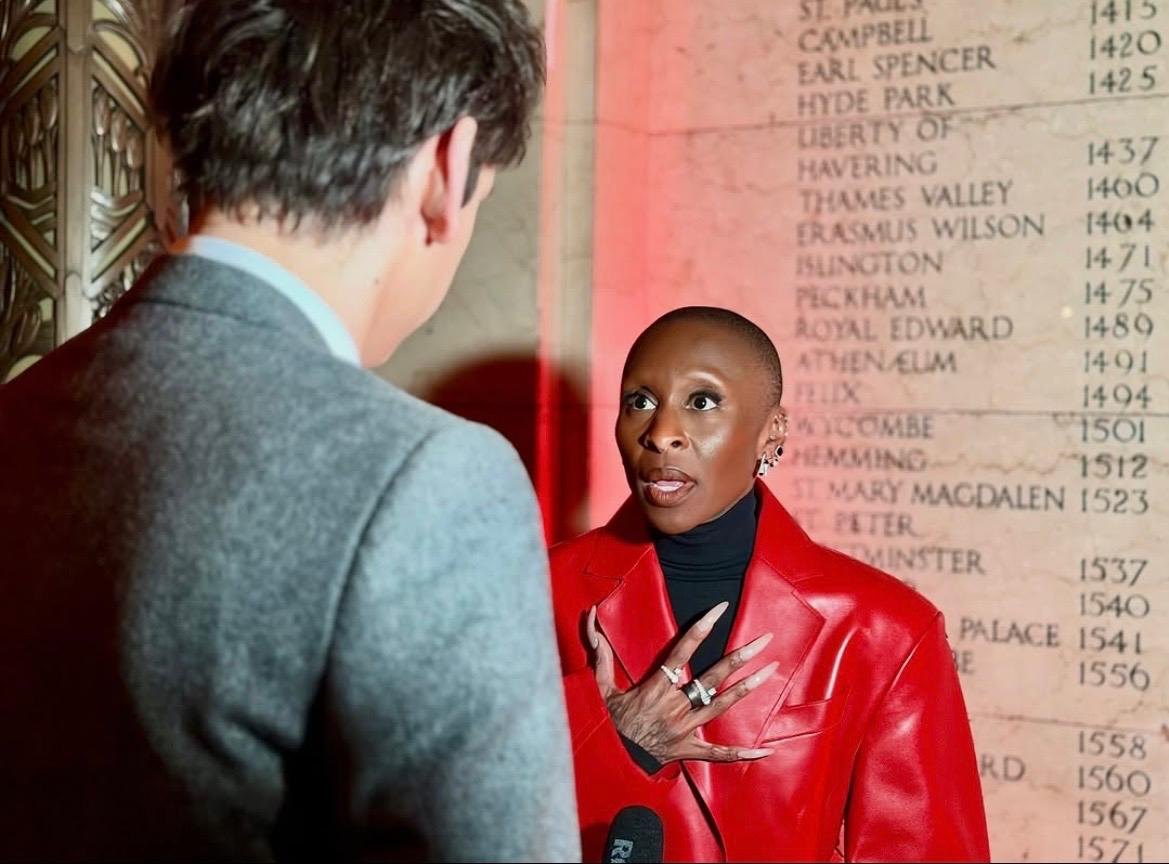
The venue as we know it today was built in memory of 3,225 Freemasons who died during service in World War I and was financed by the Masonic Million Memorial Fund. In August 1925, a members’ lunch was held with the Grand Master at Olympia, attended by 7,250 attendees. The lunch alone raised more than £825,000 towards the building fund, and they ultimately raised over £1 million for its construction. It was subsequently named the Masonic Peace Memorial. However, following the outbreak of World War II in 1939, the main hall was renamed the Freemasons’ Hall.
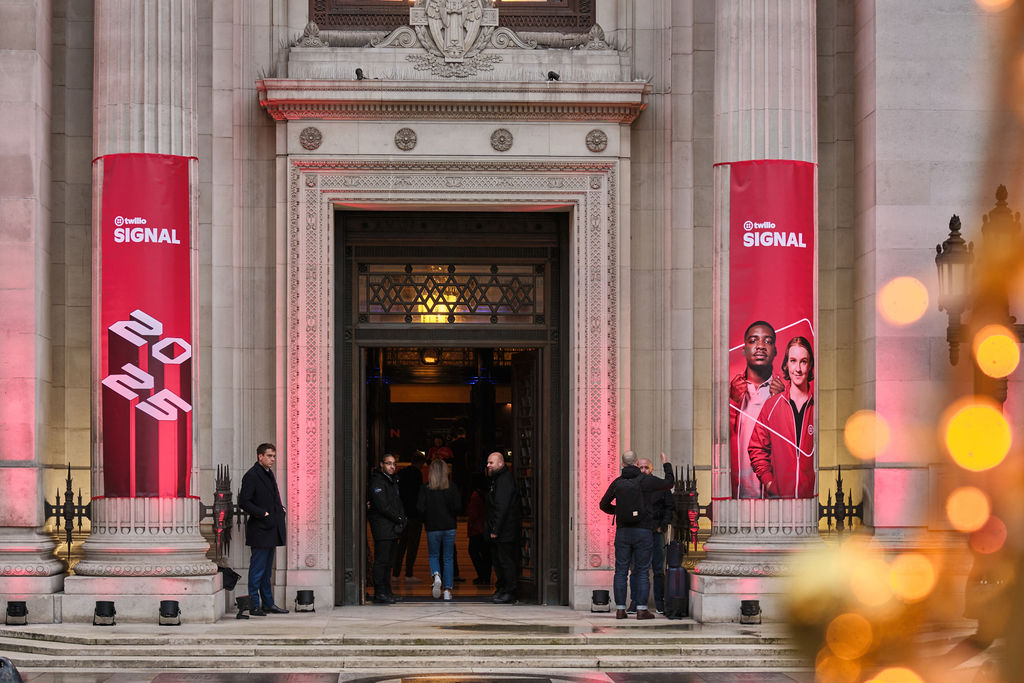
The building has continued to evolve over the years. To mark the 250th anniversary of the founding of the Grand Lodge in 1967, a clock was installed above the main entrance, bearing the dates 1717 and 1967.
Due to its historical and cultural significance, it is a Grade II listed building.
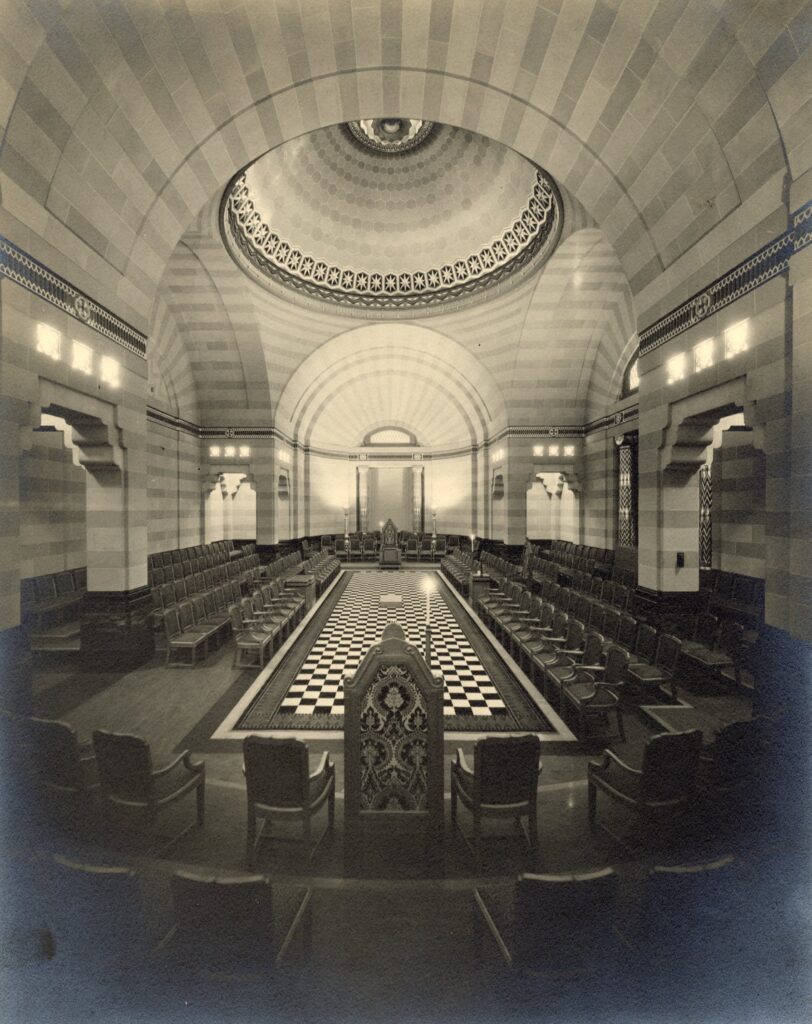
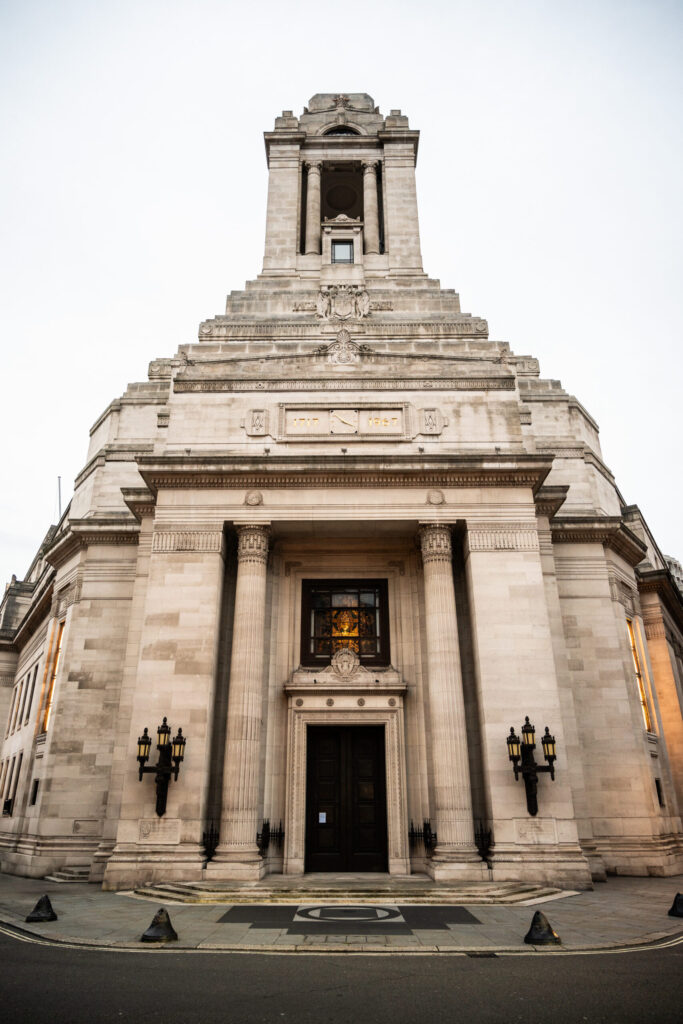
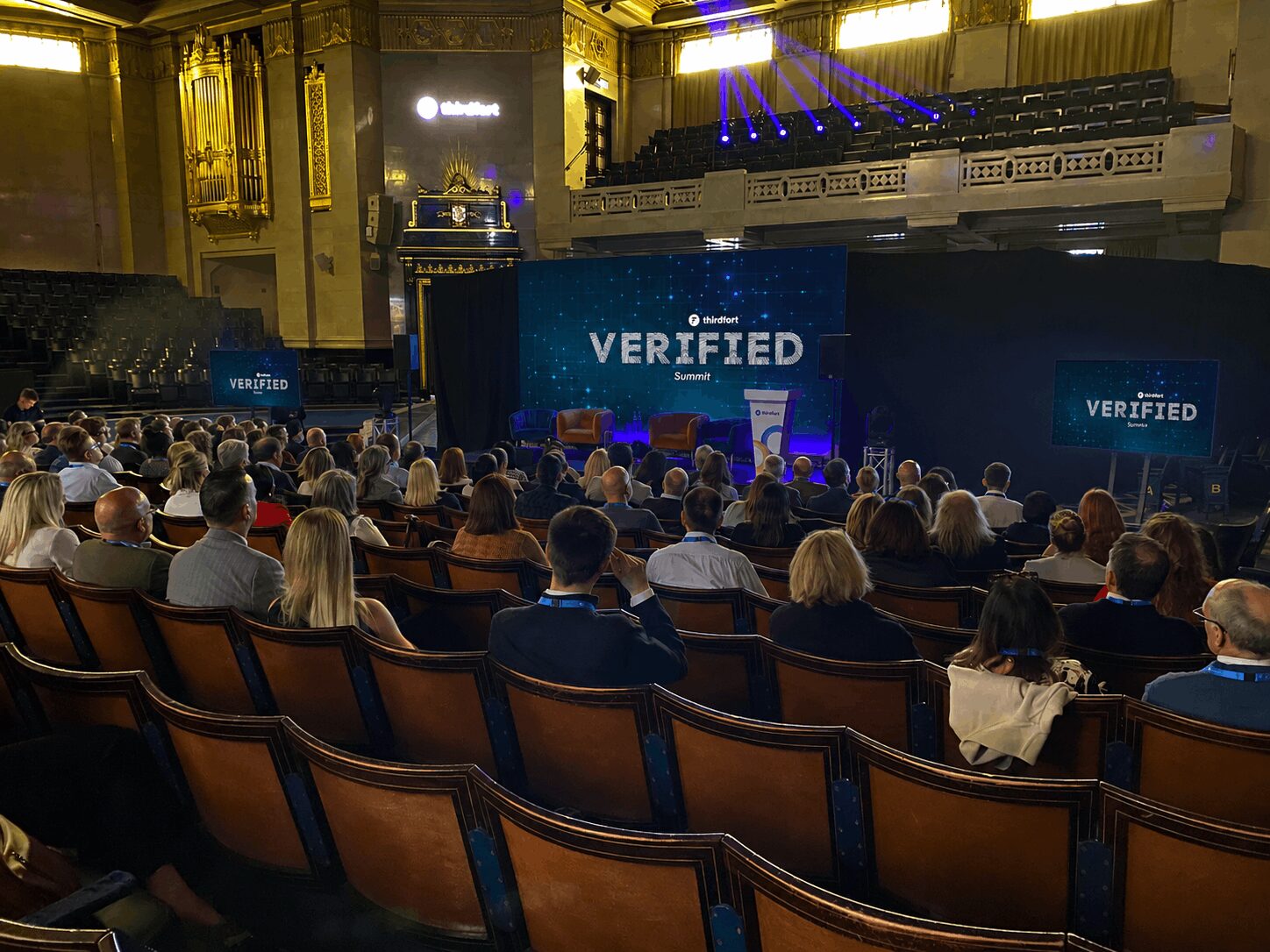
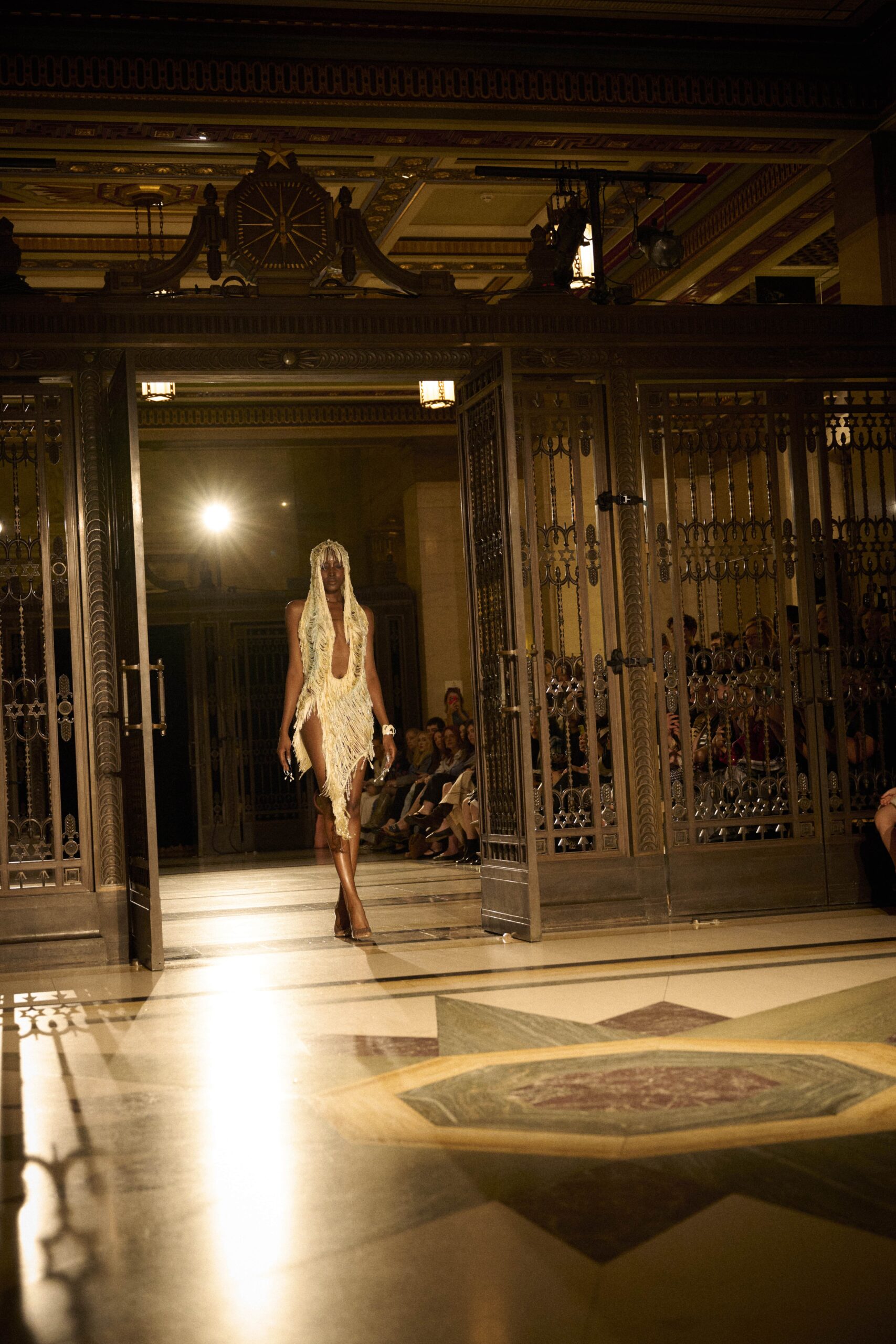
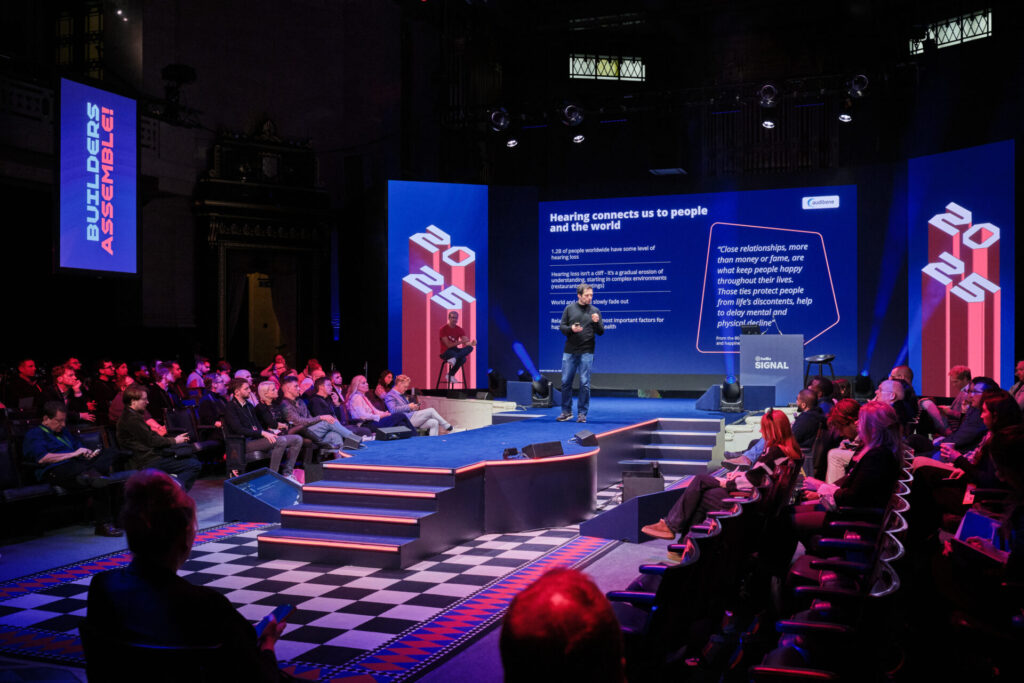
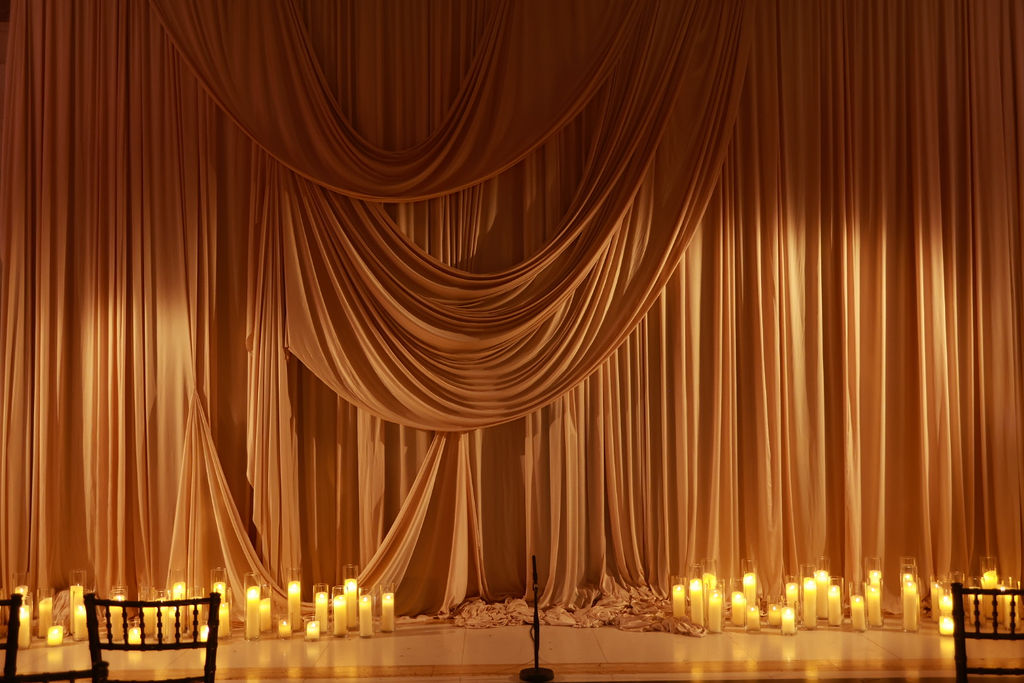
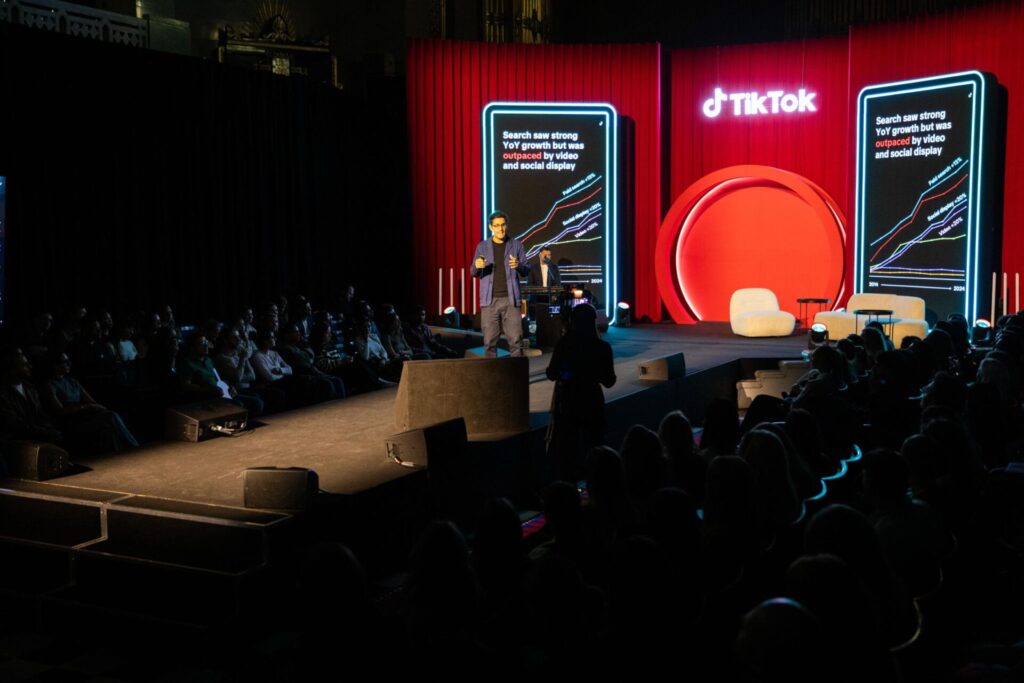
From 1985, the Freemasons’ hall became fully open to the public, allowing non-masonic events alongside their traditional practices. In recent years, the Freemasons’ Hall has established a strong relationship with Smart Group, a respected hospitality, catering, and event management company, which now leads the sales and marketing for commercial events under the new identity 60 Great Queen Street. 60 Great Queen Street is now available for venue hire all year round, with clients able to choose from a collection of stunning event spaces to host corporate or private events.
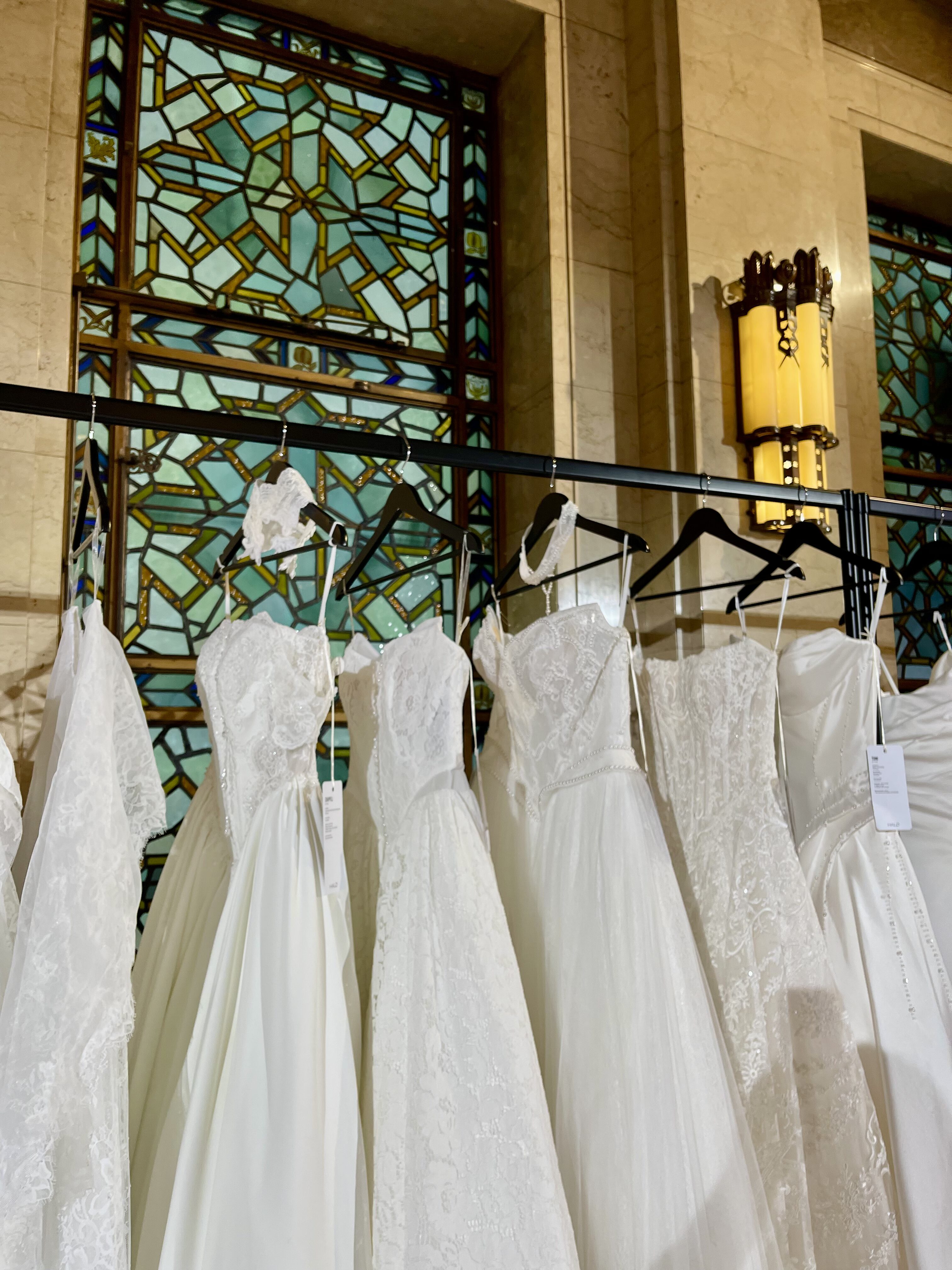
These events can include conferences, product launches, Christmas parties, weddings, exhibitions, wrap parties and premieres. It has become a popular location for both television dramas and feature films, and was even featured in the 2015 James Bond instalment Spectre. Aligning with Freemasonry’s philanthropic nature, revenue generated through commercial events helps preserve and maintain this historic landmark for future generations.
FAQs:
When did the Freemasons’ Hall first open?
The Freemasons’ Hall first opened on 23rd May 1776.
Which architects contributed to its design throughout its development?
Thomas Sandby’s drawings were chosen for the design of the Grand Hall in 1774. In 1820, architect John Sloane added an extension to the building – but these additions were later demolished in 1860. Frederick Pepys Cockerell contributed in 1862 for extensions to the building. Architects Henry Victor Ashley and F.Winton Newman made their influential mark in the 1930s, designing the new addition in the Art Deco style.
What style is the Freemasons’ Hall built in?
Art Deco style, highly popular in the ‘Roaring 20s’.
What was the Freemasons’ Hall originally called?
The Masonic Peace Memorial, built in memory of the 3,225 Freemasons who died during service in World War I.
Which company now runs the sales and marketing for 60 Great Queen Street?
Smart Group , the hospitality, catering and event management company, now leads the sales and marketing of commercial events at 60 Great Queen Street.