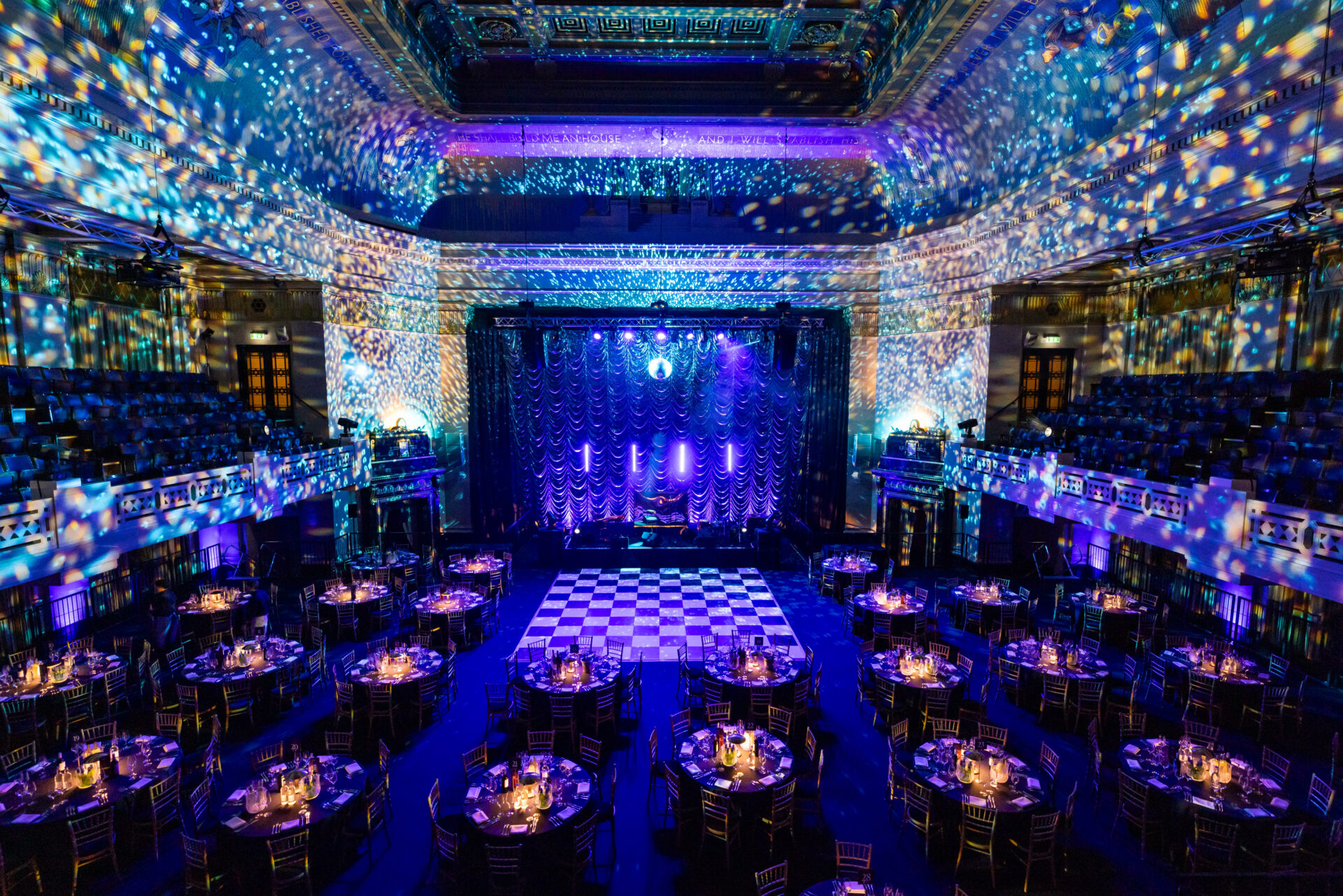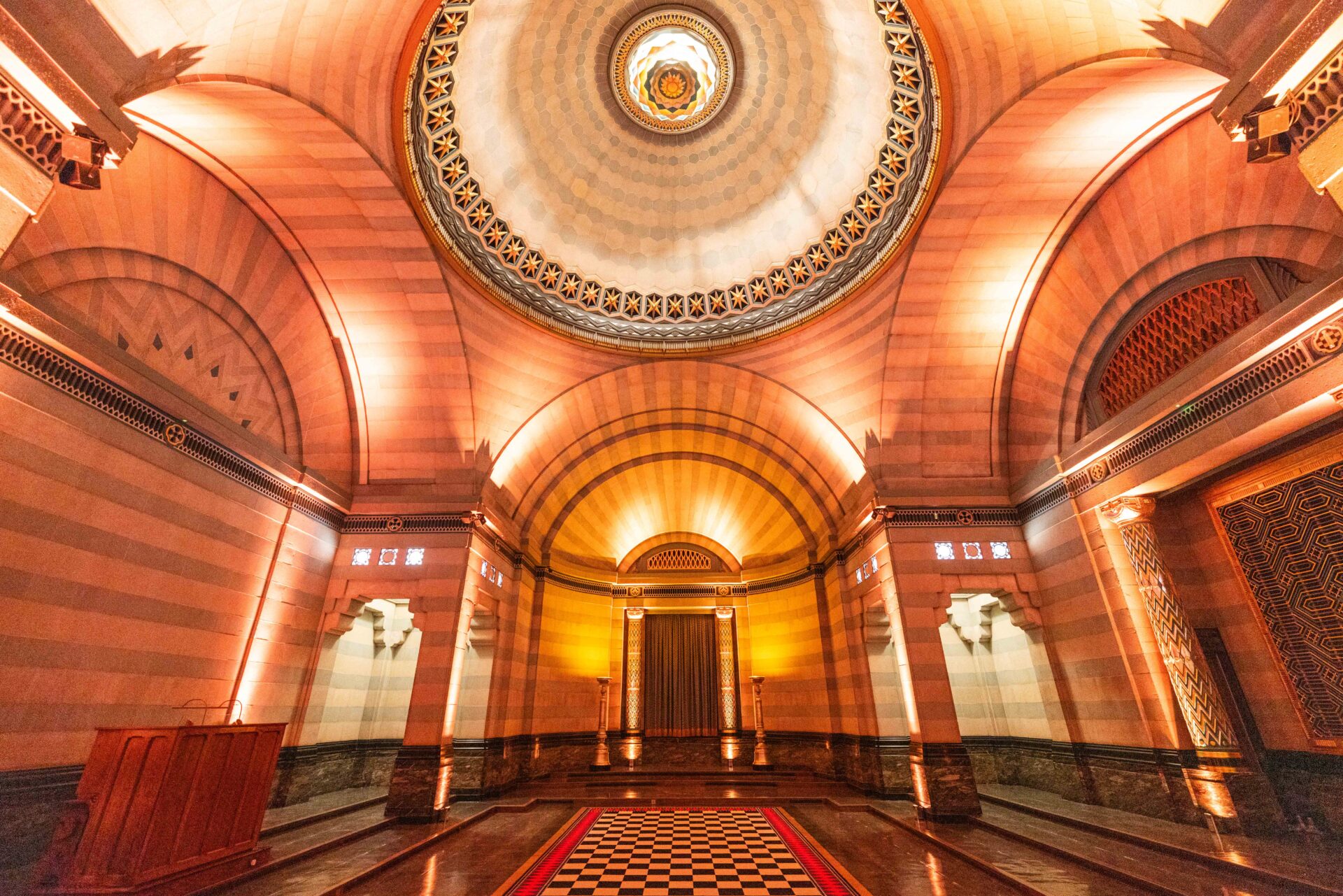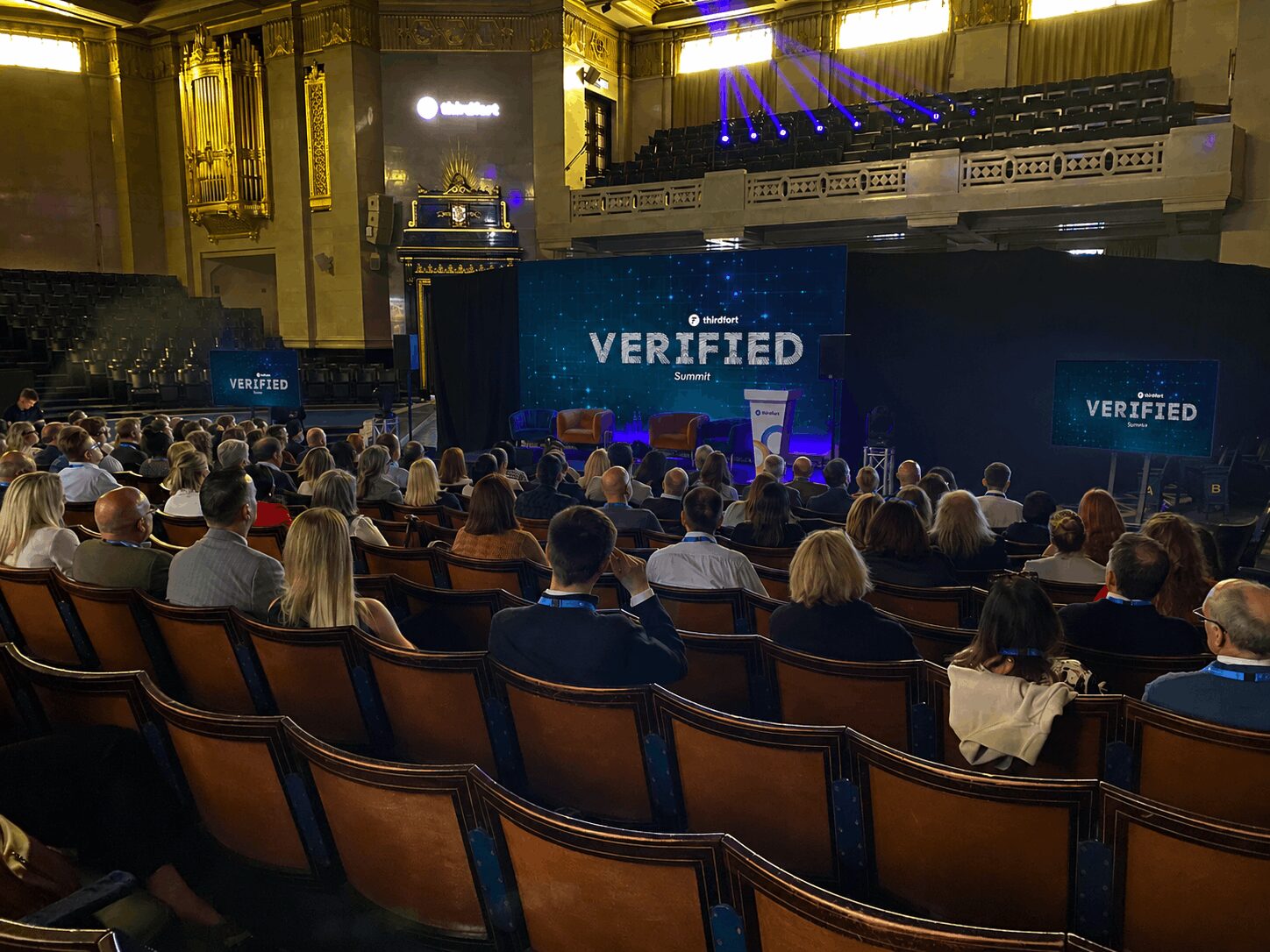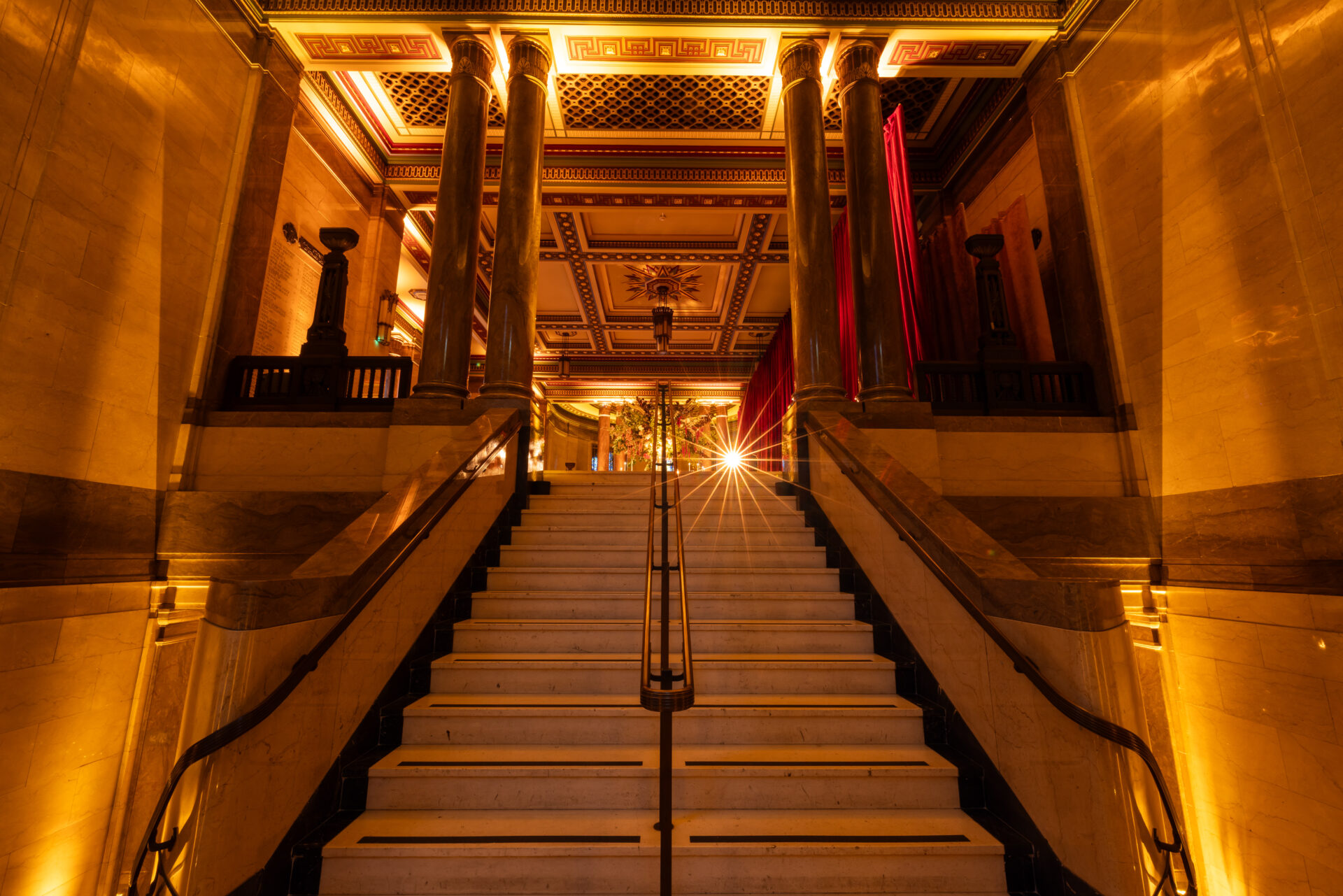
While delegates admire The Grand Temple’s mosaic ceiling, venue staff help guests find their way, technicians manage lighting, and the catering team prepare for the next break.
At 60 Great Queen Street, Smart Group’s venue team works with Moving Venue and your chosen partners from the first enquiry. We agree the most suitable room layouts, supplier access, catering arrangements and responsibilities, and ensure all stakeholders are clear on roles and responsibilities. At conference venues in London, teams are on site all day to ensure things run smoothly. Here’s how our teams handle that work before the doors open, during the conference and after the final guest leaves.
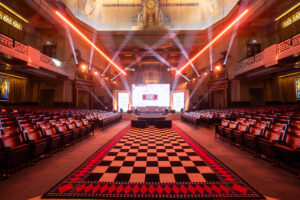
Preparing a London conference venue
Understanding your objectives
We start with your brief and what you want the conference to achieve.
A keynote, a product demonstration, and a small-group discussion each need different equipment and room arrangements, so we look at each session alongside the audience numbers and timings.
For more intimate conferences in the Gallery for 150 people or less, you’ll work with Oxygen, our exclusive production partner for the Gallery. Oxygen has a turnkey package which covers all the essentials, including staging, screens and a lectern. For something more distinctive, their team can design and build a bespoke conference set from scratch. Oxygen also supports branding and show management, ensuring your event looks cohesive and runs smoothly from load-in to close.
Likewise, a demonstration may need space for equipment and people to gather around it, while a panel needs seating, microphones and a way to take audience questions. This is where a trusted furniture supplier can work with production to supply furniture that sets the right tone.
We also check how guests will use the time between sessions. A short refreshment break and a longer networking lunch place different demands on the catering team, particularly when everyone leaves the auditorium together. Moving Venue is well attuned to working in the spaces and creating a plan for your catering that best suits your event.
Lastly, early details about remote speakers, accessibility, and dietary requirements give the relevant teams time to discuss arrangements with you in full.
Putting the quote together
Before preparing your quote, we confirm with suppliers how much time will be needed for rig and de-rig. An earlier start time may require far earlier access or time the previous day for production, depending on the equipment and rehearsals.
The quote sets out the agreed room hire, catering, AV, furniture and staffing, along with additional costs and booking terms, based on transparent decisions about equipment, service times, staff hours, and access to the building.
Planning registration, sessions and breaks
We work with you to plan where your guests will register, attend sessions, eat and meet between presentations, then check how they will move between those spaces.
For a conference in The Grand Temple, The Tower Doors & Foyer provide space for arrivals and registration, with catering and networking in The Vestibules alongside the auditorium.
The Gallery & Anteroom offer an alternative for numbers of less than 150, with presentations in The Gallery and refreshments and networking in the adjoining Anteroom. Keeping refreshments separate allows The Gallery to be set for the next session.
The timings need to allow people to move, enjoy catering from Moving Venue, and return to their seats.
Checking the room layouts
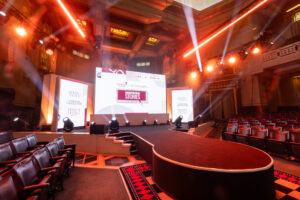
Once we have the proposed room plan, we check how staging, screens, and demonstration areas affect the space available for delegates. Your production team considers screen positions and sound alongside the seating, so people can follow the presentations from around the room.
Guest requirements are part of these checks. We discuss access between rooms, seating, and any hearing or communication support, then confirm the arrangements for the spaces in use.
We also agree where event partners will install lighting, branding and equipment. At 60 Great Queen Street, that includes checking how they will protect historic surfaces during setup and removal. Our preferred suppliers are used to the specific requirements working in a listed building requires.
Briefing the venue, catering and production teams
When it comes to briefing and managing suppliers, our level of involvement varies based on the event, depending on whether there is an agency and how complex the event is. Regardless, somebody from the venue will always be on site.
Preparing the food and service
At 60 Great Queen Street, Moving Venue plans the menu, quantities, preparation and service around the conference programme.
For conferences, the most popular options are breakfast, hot food buffets and stations, drinks, and canapé receptions to round off the day.
Behind the scenes, chefs plan how much food to prepare, while the catering team checks refrigeration, preparation space, plates, glasses, and serving equipment. Transport, storage and setup arrangements also need to fit the venue access schedule, alongside deliveries from production and other suppliers.
Final delegate numbers help the team confirm quantities and portions, while dietary information allows the chefs and event team to discuss individual arrangements.
The catering team also plans replenishment and clearing. Food and drinks need to remain available throughout the break, and staff need somewhere to take used plates and glasses as guests return to their sessions.
Setting up before the doors open
Scheduling deliveries and installation
A dedicated London event agency is best placed to manage your entire event, including the setup schedule, detailing when each supplier will arrive, where its equipment needs to go, and how long the team needs to install it. Staging, AV, furniture and catering equipment all need to reach the right rooms without blocking other teams. They can also check equipment dimensions against delivery routes and agree where suppliers can store materials before and after setup. Installation and collection times need to fit the booked access hours.
At our Unlocked showcase, Wise Productions used site visits to help its team check power access and room layouts. Once the team had finalised the stage and floor plans, it could plan the lighting and sound.
Such checks give suppliers the information they need before they bring equipment into the building, including where they can work and how they will protect the rooms.
Testing presentations, microphones and lighting
Needless to say, the production team needs time to test the actual presentation files, microphones, and lighting before guests arrive. A deck may work on a laptop, but it still needs checking on the event screen, particularly when it contains video, unusual fonts or detailed charts.
For a panel discussion, technicians check microphone arrangements, speaker positions, and how the panel will take audience questions. Your speakers also need to know how they will reach the stage, who will introduce them, and how they will signal a technical problem.
Where the programme includes a remote contributor, the technical team checks the connection and rehearses the handover. It’s a good idea to agree on what to do if the contributor cannot connect as planned.
During the conference
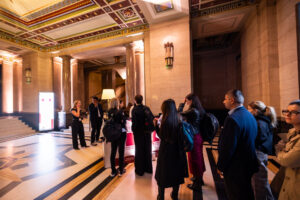
Welcoming guests and managing arrivals
As guests arrive, your registration and front-of-house teams help them find the right entrance, check in and reach the first session. Cloakroom and registration arrangements need to work together so queues leave room for people to move through the building.
Staff also need to be available to help late arrivals and guests who need assistance between rooms. Knowing the programme allows them to direct someone to the right session without repeatedly referring questions to you.
Meanwhile, the technical team prepares for the opening presentation and the catering team gets ready for the first break.
Serving the breaks
As a session ends, venue and catering staff prepare. Service points need refreshments ready, while staff replenish food and drinks and clear used items during the break.
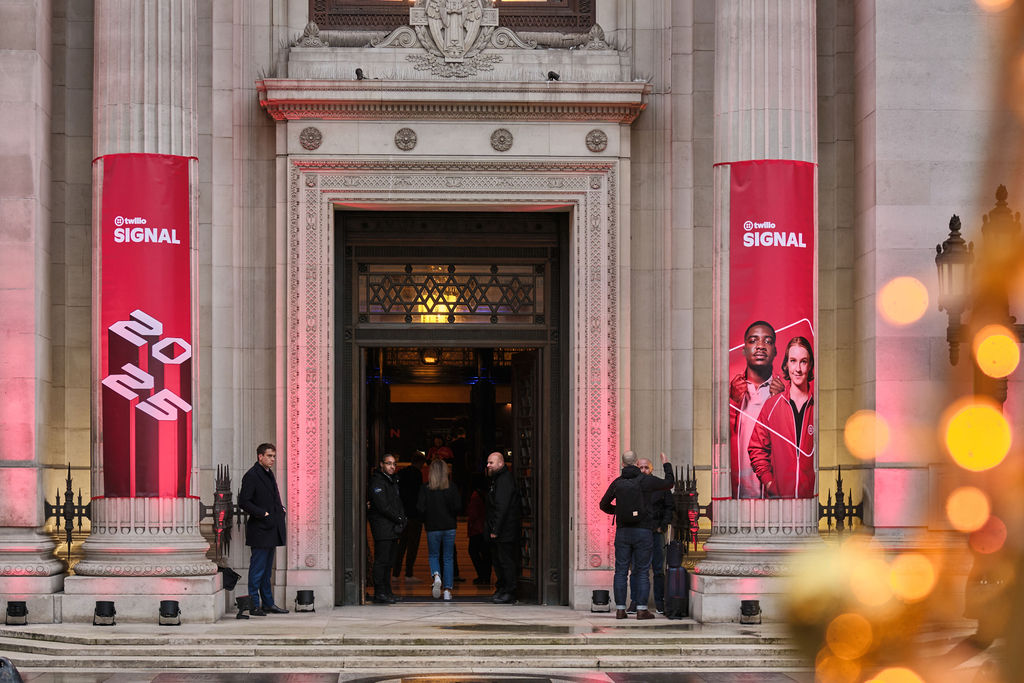
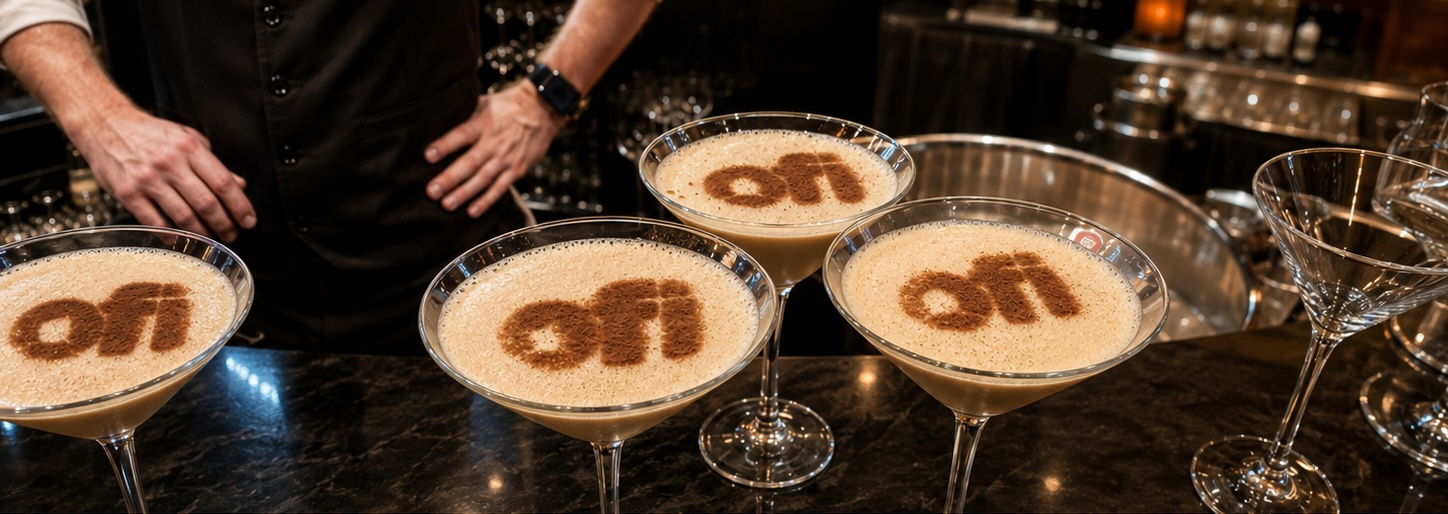
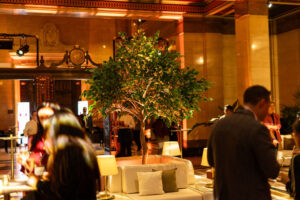
The number and position of service points affect how quickly people can collect refreshments. At Twilio SIGNAL, a two-day summit for 500 delegates, The Vestibules housed a catering area with a bespoke barista station and digital ordering. The ordering system helped reduce queues between sessions.
Alongside service, teams prepare for the next part of the programme. This may mean checking a breakout room, readying the next presentation, or clearing a catering area before an afternoon reception.
An accurate running order gives each team its timings, while communication between the event lead, catering, and production keeps everyone informed when those timings change.
Responding when a session overruns
Be aware that a change in one session can affect several teams. If a speaker runs ten minutes over before a hot lunch, the event lead needs to check the remaining programme with the organiser and agree what to change.
The decision may involve moving the lunch break or adjusting another session. Catering needs the new service time, production needs the revised presentation schedule, and front-of-house staff need to know where to direct guests.
Your events agency or in-house events team can help with planning for overruns and last-minute changes to the running order, and communicate this to the venue team.
B&Q’s conference in practice
For B&Q’s conference at 60 Great Queen Street, we used several rooms for presentations, catering and breakouts.
| Part | Space or arrangement |
| Main conference | The Grand Temple |
| Breakfast, lunch and evening drinks | The Vestibules |
| Additional talks and breakouts | The Long Room |
| Arrival branding | Oversized B&Q lettering at the Tower Doors |
Oxygen delivered production, while Moving Venue handled catering throughout the day. The client praised the on-site team’s help during setup and delivery.
The room plan shows how many separate preparations a conference can involve, from setting up the main auditorium and breakout rooms to preparing catering areas and installing branding at the entrance.
After the final session
Packing away and collecting equipment
The work continues as guests leave the conference. Spaces can be gradually closed off depending on the planned guest flow. Teams clear catering equipment, collect materials and pack away production in the agreed order. Collection times, storage and responsibility for client materials need the same attention as the original deliveries.
The venue team also checks the rooms after use and follows up on any remaining collections or items. Given the nature of the heritage building, it’s of the utmost importance that rules to preserve the features are followed to ensure the venue can be enjoyed for years to come.
Let’s talk about your conference
When registration, room changes, and catering run to plan, conference delegates can focus on the presentations and conversations they came for.
If you’re planning a conference in a landmark London venue, speak to our team today.
Conference venue FAQs
Who coordinates a conference at 60 Great Queen Street?
Smart Group manages the venue, Moving Venue handles catering as the exclusive catering partner. Entertainment, florals, furniture, production, and other event partners deliver the agreed AV and technical work. The venue team, organiser, and any appointed agency agree on who leads the event, updates the running order, and approves changes.
What checks happen before conference guests arrive?
Venue, catering and production teams check room layouts, presentation files, microphones, lighting and refreshment stations. A final briefing confirms timings, staff responsibilities, guest assistance and whom to contact if plans change, followed by a walkthrough before registration opens.
How does catering fit around the conference programme?
Moving Venue plans food preparation and service around session times and available breaks. Delegate numbers, room layouts and dietary requirements help the team plan quantities, staffing and service points, while the event lead communicates timing changes during the day.
What happens if a conference session overruns?
The event lead checks the remaining programme with the organiser and agrees revised timings. Catering, production and front-of-house teams then receive the changes so they can adjust food service, presentations and guest movements. Changes affecting supplier hours or costs require approval from the agreed decision-maker.